

By Barry Roche on 24 Mar 2026
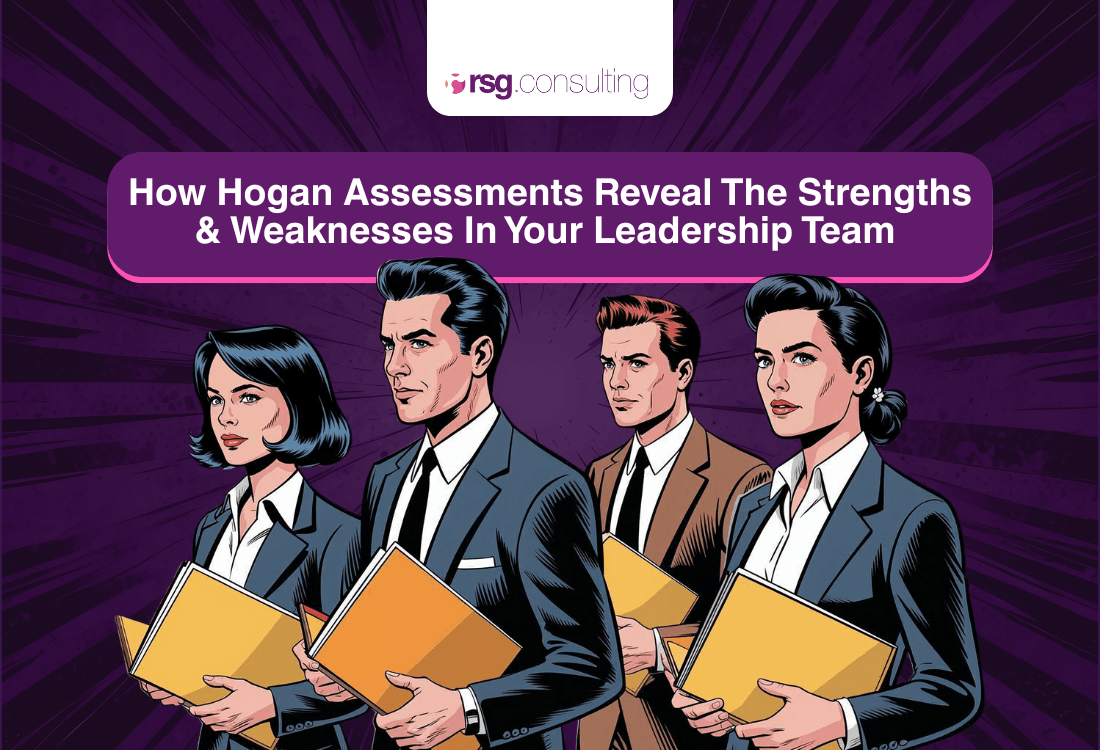
A surprising amount of leadership appointments are still made on gut feel.
Think about it: Someone interviews well. They've got the right experience. They seem like a good fit. So you promote them.
Then six months later, you're dealing with the consequences. They're technically brilliant but can't lead people. They either avoid difficult conversations or become controlling under pressure.
The problem isn't that these traits were hidden. They were always there. You just didn't have the data to see them.
That's what Hogan Assessments actually do. They show you how people really behave, not how they present in interviews or how they think they come across.
Why Instinct Isn't Enough
According to Hogan's research, based on profiling over five million leaders globally, between 40% and 50% of senior leaders fail to meet expectations within 18 months of appointment. Not because they're incompetent. Because their behaviour under pressure derails them.
The confident person becomes arrogant. The detail-focused one becomes a perfectionist who slows everything down. The decisive leader turns controlling.
These patterns are predictable. But most organisations don't look for them until it's too late.
Hogan removes the guesswork. It measures three dimensions that actually matter: how people behave day-to-day (the bright side), how they behave under pressure (the dark side), and what actually motivates them (the inside). That combination shows you the full picture, not just the polished version people present in interviews.
What the Three Dimensions Actually Reveal
- The Bright Side shows everyday strengths and working style. How someone builds relationships, makes decisions, and approaches problems when things are going well.
- The Dark Side is where it gets interesting. This reveals the behaviours that emerge under stress, pressure, or when someone stops paying attention to how they're coming across. Confidence becomes arrogance. Diligence becomes perfectionism. Caution becomes indecision.
According to Hogan's research, most people have two or three high scores here. Even moderate scores can be meaningful. Everyone has derailers. The question is whether you know what yours are and whether you manage them.
- The Inside measures values and motivations. What drives someone at a deeper level? Do they care about status or teamwork? Process or innovation? Money or purpose?
When leadership teams have misaligned values, they make decisions differently and prioritise differently. That creates friction even when everyone's technically competent.
Why This Matters for Leadership Decisions
When you profile a leadership team with Hogan, patterns that were invisible before become obvious.
You see who thrives under pressure and who struggles. You identify where personality clashes are causing problems. You understand why some leaders can't seem to delegate or why others avoid accountability.
That clarity changes how you make decisions about succession, development, and team composition.
For example, you might have two potential successors for a role. On paper, they're equally qualified. But their Hogan profiles show completely different patterns. One scores high on Bold and Mischievous, comfortable with risk, willing to challenge convention. The other scores high on Diligent and Cautious, methodical, risk-aware, and focused on quality.
Neither is better nor worse. But they'll lead differently. And if you don't know which style the role actually needs, you're guessing.
Identity Vs. Reputation
Here's what makes Hogan different from most assessments: it measures reputation, not identity.
Identity is how you see yourself. Reputation is how others see you. And there's usually a gap.
Most people think they're more collaborative, more open to feedback, and better under pressure than they actually are. That's not arrogance, it's human nature. We're terrible judges of our own behaviour.
Reputation is what matters because it's what determines whether you get promoted, whether your team trusts you, and whether you can actually lead effectively.
Hogan is validated using observer descriptions of behaviour. It shows you how you're likely perceived by others, which is often very different from how you perceive yourself.
The Power Of Hogan
The most effective use of Hogan Assessments isn't just profiling individuals. It's profiling entire leadership teams to understand dynamics. You can see where roles are duplicated and identify where values clash.
That data creates a shared language for leadership. Instead of vague conversations about "communication styles" or "cultural fit," you're discussing specific patterns backed by evidence.
It also removes politics from succession planning. When you have objective data on how someone performs under pressure, development conversations become clearer and fairer.
Most importantly, you stop relying on gut feel and start using data that's been validated across millions of leaders over three decades.
Want to understand the real strengths and risks in your leadership team? Get in touch to discuss how Hogan Assessments can give you the data-driven insight you need to make better leadership decisions.
Share this
The CEO Blind Spot: Why the Most Confident Leaders Are Often the Least Self-Aware?

The CEO Blind Spot: Why the Most Confident Leaders Are Often the Least Self-Aware?
Confidence is one of the most valuable qualities a CEO can have. It enables decisive action, clear communication, and the credibility to lead through …
08 Jul 2026
4
min read
3 Ways to Seem Smarter
3 Ways to Seem Smarter
Intelligence is critical for getting ahead in your career. Businesses require their managers and executives to make critical decisions in an increasin …
17 Dec 2025
1
min read
The Strategy Execution Gap: Why Most Leadership Teams Know What to Do But Don't Do It

The Strategy Execution Gap: Why Most Leadership Teams Know What to Do But Don't Do It
Most organisations we work with don't have a strategy problem. They have an execution problem.
22 Jun 2026
3
min read